Why Your Range Number Shrinks on the Way Out of Harrogate — and How to Calibrate It

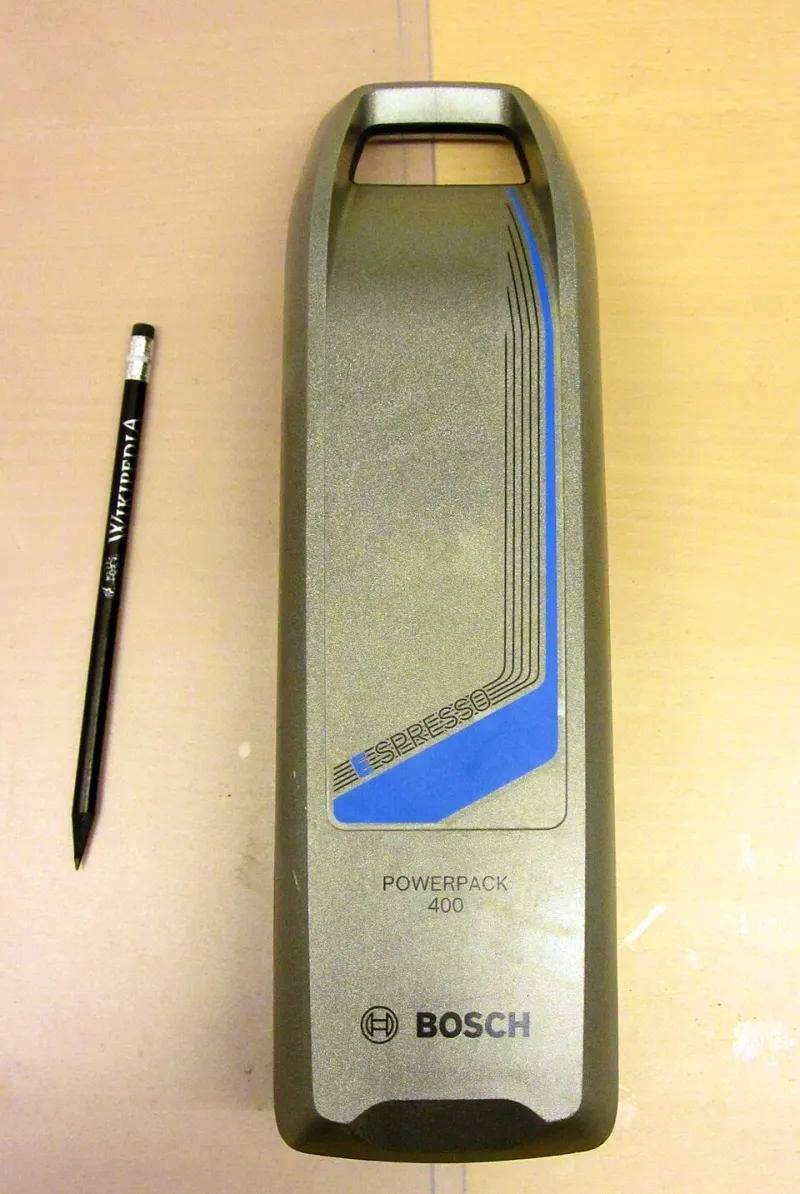
Photo: Herzi Pinki, CC BY-SA 4.0, via Wikimedia Commons
You leave the house with 38 miles showing. You climb out of Harrogate, turn into a headwind on the open lanes, stop at a junction, restart in turbo and watch the display drop to 24. Nothing has broken. The bike is doing what range estimators do: guessing. Around Harrogate, with its quick climbs, exposed edges and stop-start town traffic, that guess can move around like a shopping trolley in a gale.
A range display is not a fuel gauge. It is a calculation based on battery voltage, recent consumption and whatever assumptions the manufacturer has baked in. Change the assumptions and the number changes. If you want a reliable picture, you need to build your own.
The display is a forecast, not a measurement
Most e-bike displays estimate remaining range by taking the battery's remaining watt-hours and dividing them by a recent average consumption figure. Some use the last few minutes of riding. Some use a longer window. Some are optimistic in eco and pessimistic in turbo. Some simply do not know how heavy you are, how steep the next hill is or what the wind will do.
That is why the number can fall sharply after a climb and then recover on a flat. It is also why two riders on identical bikes can see very different figures. The display is not the authority. The battery percentage is closer to the truth, and even that is an estimate.
Why Harrogate exaggerates the swings
Harrogate is a town built around dips and rises. Leave the centre in almost any direction and you meet a climb: out towards Harlow Hill, up from Bilton, the drag towards Killinghall, the lanes that tilt endlessly towards Pateley. A range estimator that was calmly predicting 35 miles in town suddenly sees a few minutes of hard work and assumes you will keep doing that all day.
The open farmland east and north of town adds wind. The Wolds-style ridges and exposed lanes give you a headwind that feels personal. Add stop-start traffic on West Park, cold morning air, a loaded pannier and a rear tyre that has lost 15psi since last weekend, and the display has every reason to be cautious.
The variables that matter more than the screen
Assist mode is the big one. Eco and turbo are not small variations; they can change consumption by 50% or more. Cadence matters too. A rider who spins steadily in a sensible gear asks less of the motor than one who grinds a big gear and expects the bike to rescue every stroke.
Tyre pressure is the quiet thief. Soft tyres roll badly, especially on wet grit and chip seal. Rider and luggage weight matter, as does temperature. A cold battery delivers less usable energy, and a cold rider tends to work harder. Hills, wind, braking and restarting all add up. None of this means the bike is faulty. It means the range figure is a moving target.
Build a personal range picture
Stop trying to memorise the display's guess. Start measuring watt-hours per mile on a loop you can repeat. You do not need a lab. You need a known route, a notebook and a bit of consistency.
A good Harrogate calibration loop is roughly 12 miles: start near West Park, climb Otley Road towards Harlow Hill, continue out to Beckwithshaw, drop down to Killinghall, return through Bilton and back to the Stray. It has a proper climb, some open exposed sections and a few junctions. Ride it in the same assist mode, at a similar effort, with similar tyre pressures. Record the temperature, the battery percentage at the start and end, and the odometer.
Then do the arithmetic. If your battery is 500Wh and you use 30% over 12 miles, you have used 150Wh. Divide by 12 and you get 12.5Wh per mile. If you want to keep a 20% reserve, treat 400Wh as usable. Divide 400 by 12.5 and you get a realistic 32 miles in those conditions. If it was cold and windy, knock off another 15% to 20%.
What to ask before you buy
When a shop quotes a range, ask what assist mode, rider weight, temperature and terrain that figure assumes. If the answer is a shrug, discount the number. A good dealer will talk in watt-hours, battery size and typical consumption rather than one heroic best-case figure.
Take a test ride that includes a climb and a stop-start section, not just a lap of the car park. If you are buying for a Harrogate commute, ride the actual shape of that commute. A bike that feels strong on the flat may feel very different on the drag out of town with a laptop on your back.
Trust the trend, not the moment
The range display is not your enemy. It is a rough guide that reacts to what you have just done. Use it as a warning, not a promise. The number that matters is the one you build from repeated rides on the same loop, in similar conditions, with the same settings.
Once you know your own watt-hours per mile, Harrogate's hills stop being a surprise. You can plan a Nidderdale day with a sensible reserve, decide whether a bigger battery is worth the extra weight, and ignore the display when it panics on the way out of town.