The £500 Bolt-On: What a DIY E-Bike Kit Actually Delivers on Harrogate's Hills

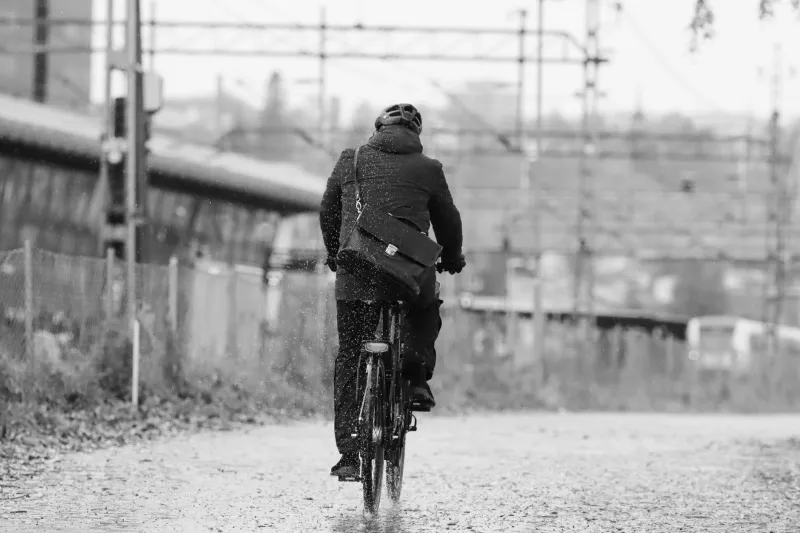
Photo by Photo by Gary Butterfield on Unsplash on Unsplash
There's a decent hybrid in the garage, a £500 kit on a website, and a YouTube video that makes the whole thing look like an afternoon's work. It's an appealing thought. For a commuter staring at the cost of a purpose-built e-bike, a conversion feels like the sensible Yorkshire answer: use the bike you've already got, add a motor, keep the change.
That can work. It can also turn a perfectly good bike into a heavy, unreliable science project. The difference isn't luck. It's whether the donor bike, the kit and the rider's actual commute line up.
The £500 figure is a starting pistol, not a finish line
A £500 kit usually means a motor, controller, display, wiring and a wheel. Sometimes it includes a battery. Often it doesn't. A usable battery with reputable cells can add £250 to £450. Fitting, if you don't do it yourself, is another £80 to £150. Then there are the bits nobody puts in the basket: a torque arm, better brake pads, maybe a disc rotor, a chain, a cassette, and the odds and ends that always go missing.
So the realistic all-in figure for a £500 kit is closer to £750 to £950. That still undercuts most decent purpose-built e-bikes, which start around £1,200 and climb quickly. But the gap is narrower than the sales page suggests, and it's narrowing further once you value your own time.
The legal line is narrower than the sales pitch
UK law is clear enough on paper. An electric bike used on public roads and cycle paths must be an electrically assisted pedal cycle: 250 watts continuous rated power, assistance cutting out at 15.5mph, and pedals turning before the motor helps. A throttle that drives the bike without pedalling is not legal for new bikes, apart from older grandfathered machines.
Plenty of kits advertise 350W, 500W or 20mph. Some have an off-road mode. None of that makes them legal on the Stray, the Nidderdale Greenway or the road up to Harlow Hill. If you're involved in a collision, an illegal kit can affect insurance and put you in awkward territory. A conversion should start with the legal spec, not the wattage bragging rights.
How a kit behaves on Harrogate's drags
Around town, a rear hub kit can feel surprisingly good. Bilton into town, Starbeck to the station, the flatter runs out towards Ripley on the Greenway: a basic hub motor will take the sting out of those trips. It's when the road tilts up that the character of the kit shows.
Hub motors like to spin. On a steep, slow climb such as the pull up Otley Road, the long grind towards Penny Pot, or the bank out of Ripley, a cheap hub motor can bog down, heat up and ask a lot of a battery that wasn't over-specified in the first place. A mid-drive kit, which drives through the gears, copes better with Harrogate's proper hills, but it costs more and puts more load through the chain and cassette.
Sensor quality matters too. Cadence sensors just detect that the pedals are turning, so the assistance can feel like an on-off switch. Torque sensors read how hard you're pushing and feel more natural. Guess which one is on the £500 kit.
The wear bill lands later
Adding a motor to a bike that was built for human legs changes the load. Rim brakes that were fine on dry summer rides become a liability on wet descents, especially with the extra weight. If your donor bike has disc brakes, check pad and rotor wear. If it has rim brakes, budget for an upgrade or reconsider.
Then there's the drivetrain. Chains, cassettes and chainrings wear faster with motor assistance, particularly on a mid-drive. Cheap hub kits can snap spokes or chew through dropouts if the torque arm isn't fitted properly. That's before you get to tyres, which will wear quicker under extra weight and braking.
None of this is a deal-breaker. It is a running cost. A conversion doesn't abolish maintenance; it moves it around.
Warranty, insurance and the paper trail
If you convert a new or nearly new bike, assume the frame warranty is at risk. Many manufacturers exclude e-bike conversions, and any drilling, filing or clamping can give them an easy exit. The kit's own warranty is often a return-to-base affair that's more hassle than it's worth.
Insurance deserves a phone call. Tell your home insurer. A standard policy may not cover a modified e-bike, and a battery fire in a hallway is not the time to discover the small print. Specialist cycle cover will ask about the kit, the battery and sometimes the standard it meets. Keep receipts for the kit and battery. If you sell the bike later, a buyer will want them.
What it does to resale
A converted bike is not a £1,800 e-bike. It's a used bike with a kit on it. Some buyers will see a bargain; many will see DIY wiring and an unknown battery. The resale value of the donor bike rarely goes up by the cost of the kit. If you're converting a £200 hybrid, that's fine. If you're converting a £900 bike you hoped to sell on, think twice.
Who a £500 kit suits
It suits the rider with a solid, simple donor bike: aluminium or steel frame, disc brakes, standard gears and a healthy dose of mechanical confidence. It suits shorter commutes, say Bilton to the town centre or Starbeck to the station, where the hills are manageable and the bike isn't asked to be a car replacement. It suits someone who enjoys tinkering and doesn't mind a bit of fettling.
It does not suit carbon frames, rim brakes on steep wet descents, high-value bikes, or anyone who needs the bike to work flawlessly every dark morning. If your daily route is Harlow Hill in January, or you want warranty, insurance and resale simplicity, buy a purpose-built e-bike.
The verdict
A £500 kit can be a genuinely clever way into electric assistance around Harrogate. But the £500 is the entry ticket, not the whole trip. Price the battery, the brakes, the fitting and the faff. If the total still makes sense, and the donor bike is right, go for it. If you're trying to rescue a cheap bike for a steep daily commute, walk away. The hill will still be there.