The Spare Pack Audit: What a Second E-Bike Battery Really Buys You in Harrogate
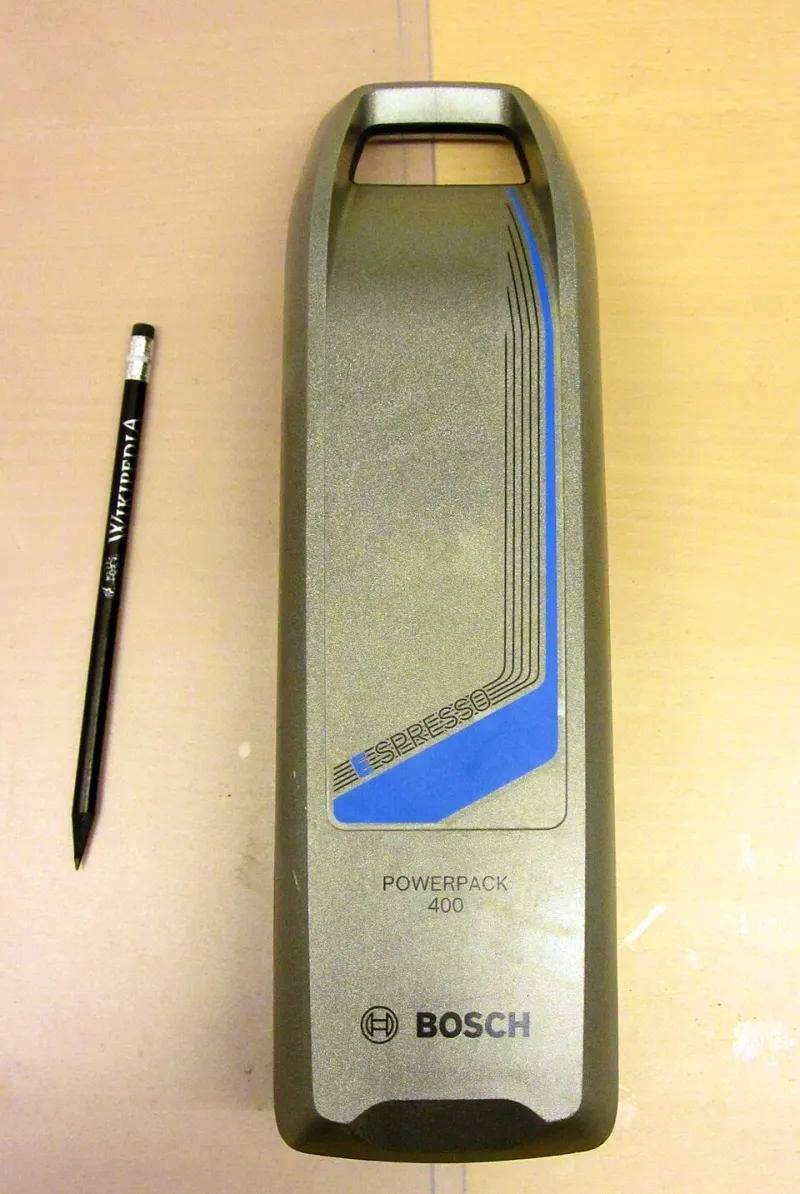
Photo: Stefan Bellini, CC0, via Wikimedia Commons
There is a particular kind of e-bike shopping that starts innocently enough. You are heading out towards Pateley Bridge, or maybe just doing the Bilton to Starbeck commute with a detour, and a small voice says: what if I run out? Before long you are looking at a second battery, and the price is roughly the same as a decent set of wheels. So is a spare pack ever worth it for a Harrogate rider? Sometimes. But less often than the internet would have you believe.
The headline cost is only the beginning
A second battery for a mainstream e-bike typically lands somewhere between £300 and £700, depending on brand, capacity and whether you are buying genuine or a reputable aftermarket option. That is before you think about how you will carry it. A typical pack weighs 2.5kg to 4kg, which is not huge until you add it to a pannier that already holds a laptop, a lock and a change of clothes. Suddenly the bike that felt nimble on the Otley Road feels like it is towing a small anvil.
There is also the charging question. Two batteries means two things to look after, two things to keep at the right temperature, and two things to remember on a Sunday evening. If you are in a flat two flights up, that matters more than the spec sheet suggests. The spare pack is not just a purchase; it is a small logistical commitment.
The commute case: Bilton, Starbeck and Knaresborough
This is where a spare battery has the strongest argument. If you ride from Bilton into town, or from Knaresborough to Harrogate, and you genuinely cannot charge at work, a second pack can turn a nervous commute into a boring one. You charge one at home, carry the other, and swap at your desk or in the bike shed. For a rider doing 12 to 15 miles each way with a decent amount of assist, that can be the difference between arriving with 30 per cent left and arriving with 10 per cent and a knot in your stomach.
But be honest about your actual pattern. Most Harrogate commutes are not 30-mile epics. If you are doing six or seven miles each way, a single 500Wh battery should comfortably cover a day, even in cold weather, provided you are not leaving it in Turbo for the whole ride. The spare pack solves a problem you may not have. A faster charger and a disciplined lunchtime top-up might do the same job for £100 to £150, assuming your workplace will let you plug in somewhere sensible and safe.
Range anxiety on Nidderdale and the Washburn Valley
Weekend rides are a different story. The run out through Hampsthwaite and up towards Birstwith, or the loop around Fewston and Swinsty, can eat range quickly if you are heavy on the assist. Add a headwind, a cold morning and a bit more climbing than you planned, and the last few miles can feel longer than they are. A spare pack in a pannier would banish that worry entirely.
It would also weigh you down for the first 40 miles. That is the trade-off nobody mentions in the shop. You are carrying the solution to a problem that may only occur at the end of the ride. For most leisure riders, a better move is to plan a café stop with a charging point, or to use Eco more deliberately on the flat sections between villages. The Nidderdale Greenway is not the Alps; a modest change in assist strategy often buys you more miles than a spare pack buys you peace of mind.
Carrying a spare safely is not a trivial detail
If you do buy one, treat it like the heavy, valuable, slightly temperamental object it is. Do not sling it loose in a rucksack where it can bounce against your spine. Use a proper pannier with padded protection, keep it away from sharp edges, and never leave it on the bike when you park in town. A second battery is a theft target and a weather risk in equal measure.
Charging matters too. Follow the manufacturer's guidance, use the charger that came with the pack or one explicitly rated for it, and do not charge a cold battery straight off a winter ride. Let it come up to room temperature first. If you live in a flat, think carefully about where that charging happens. A hallway with a clear exit route is not the same as a cluttered spare room. The safest routine is the boring one.
The alternatives worth pricing first
Before you commit, run through the cheaper options. A faster charger can cut a long top-up into a useful lunch break. A second charger kept at work, if your employer allows it, can remove the need to carry anything at all. A change of assist mode, a slightly lower cadence and a bit less Turbo on the flat can stretch a single pack further than you expect. And if your battery is simply old, a replacement pack rather than a spare pack is the honest purchase.
The verdict
Buy a second battery if you have a genuine, regular need: a long commute with no charging at work, a weekly ride that consistently pushes your range, or a household where two riders share one bike and cannot charge between turns. Do not buy one just because the range figure on the box looks optimistic in November. Around Harrogate, most riders are better served by a faster charger, a smarter charging routine and a little restraint with the assist button. The spare pack is a tool, not a talisman. Buy it for a job you actually do, not a worry you might have.