The Battery Is the Bike: A Used E-Bike Walkaround for Harrogate Buyers
A used e-bike can look like tremendous value. The frame is sound, the tyres hold air, the seller says it “runs beautifully”, and the price is comfortably below anything new. Around Harrogate, where a trip to the shops can quietly turn into a climb home, that appeal is easy to understand. But a second-hand e-bike is not simply a bicycle with a motor attached. It is a bicycle attached to a battery and drive system that may already have done most of its useful work.
That does not mean you should walk away from every used listing. It means the battery should be the first thing you interrogate, not the last. Treat the motor, battery and charger as the expensive core of the deal, and the frame, brakes and gears as the supporting cast. If the core is tired, a cheap asking price can disappear very quickly.
Start with the battery label, not the advert
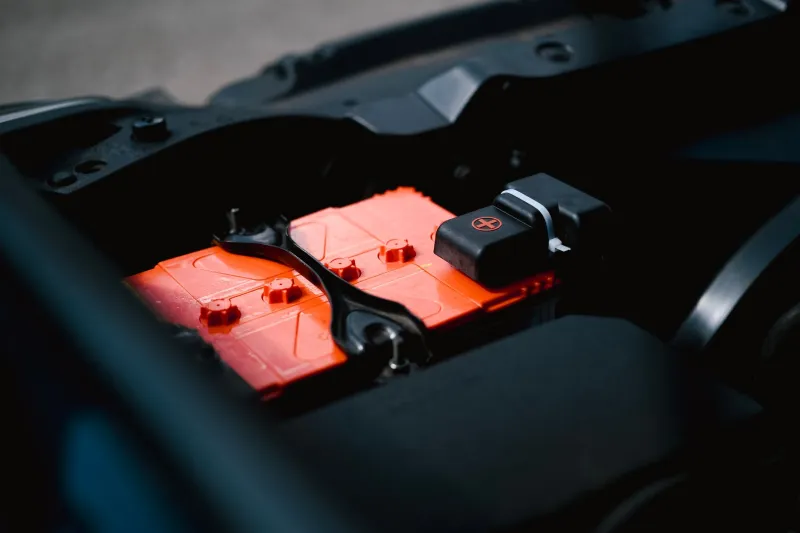
Most sellers will tell you the bike has “good battery life” because it still switches on. That is a low bar. A lithium-ion pack can power a display and still have lost a serious chunk of its capacity. Ask for a close-up photograph of the battery label, including the manufacture date and part number. Age matters as much as mileage. A pack that has spent several winters in a cold garage may be closer to the end than its low odometer suggests.
If the bike uses a major system such as Bosch, Shimano Steps, Yamaha or Brose, ask whether a dealer can produce a battery health report or confirm the charge cycles. Some systems store that information and a local shop can read it. Not every brand offers the same access, and some budget models give you almost nothing beyond a row of lights. In that case, you have to rely more heavily on the test ride and on the seller’s paperwork.
Be wary of the phrase “battery re-celled” unless there is a proper invoice from a reputable specialist. A home repair might be fine, but you need to know who did it, when, and what cells were used. A mismatched charger is another warning sign. Chargers are not universal, and the wrong one can be both a safety risk and an expensive mistake.
The paperwork tells you how it has been treated
A genuine service history is worth more than a shiny frame. Look for receipts for brake pads, tyres, chain replacement and any motor or battery diagnostics. Ask whether the bike has had software updates. On older e-bikes, neglected firmware can affect how the system behaves, and a dealer visit may be needed to put it right.
Warranty transfer is where many second-hand deals become murky. Some brands allow remaining warranty to pass to a new owner; others limit cover to the original purchaser. Battery warranties are often shorter than frame warranties, and second-hand cover may be reduced or excluded altogether. Get the answer in writing if you can. A seller who cannot find the original proof of purchase is not automatically dishonest, but it does make any warranty claim harder.
Also check the frame number and consider a history check through a recognised bike registration service. It is a small step that can save a great deal of grief. If the seller is vague about where the bike came from, or wants to meet in a car park with no paperwork, slow down.
Ride it on a Harrogate hill, not just around the block
A five-minute spin on the flat tells you almost nothing about an e-bike’s battery or motor. Arrange to test it somewhere with a proper climb. Harlow Hill, the drag up from Bilton, or a steady rise towards Penny Pot Lane will put the system under load. Start with the battery partly discharged if possible. A pack that feels strong at 100% but collapses at 30% is telling you something useful.
Use every assist level. Listen for grinding, clicking or a sudden loss of power. Check that the motor cuts out at the legal assisted speed of roughly 15.5mph and that the bike does not feel like a derestricted machine. In the UK, a legal e-bike is pedal-assisted up to 15.5mph with a 250W motor. A bike that pulls strongly beyond that is not a bargain; it is a legal problem waiting to happen.
Test the brakes on a wet descent, check the battery mounting for rattle, and look closely at the contacts for corrosion. Ask to see the charger working. If the seller will not allow a proper test ride, or insists the battery cannot be drained for testing, treat that as a serious red flag. You are not being difficult; you are buying the most expensive consumable on the bike.
When a cheap used e-bike is worth the risk
A used e-bike can be genuinely worthwhile if you price in the worst-case battery replacement from the start. If a new pack costs several hundred pounds, a £700 bargain may really be a £1,100 project. That can still make sense if the frame, motor and components are good, but only if you go in with your eyes open.
The best candidates are usually one-owner bikes with receipts, a known battery system, a charger, and a seller who is happy to meet at their home or a local shop. A bike that has been stored indoors, serviced regularly and ridden sensibly is worth more than a neglected model with a flashy spec sheet.
In 2026, the second-hand market is full of tempting listings. Some are excellent. Others are someone else’s battery problem looking for a new home. Check the pack before you fall for the paintwork, ride it up a proper Yorkshire hill, and be willing to walk away. The right used e-bike is out there; the wrong one will follow you home and start asking for money.