The Long Drag to Pateley: Making Sense of E-Bike Torque Figures
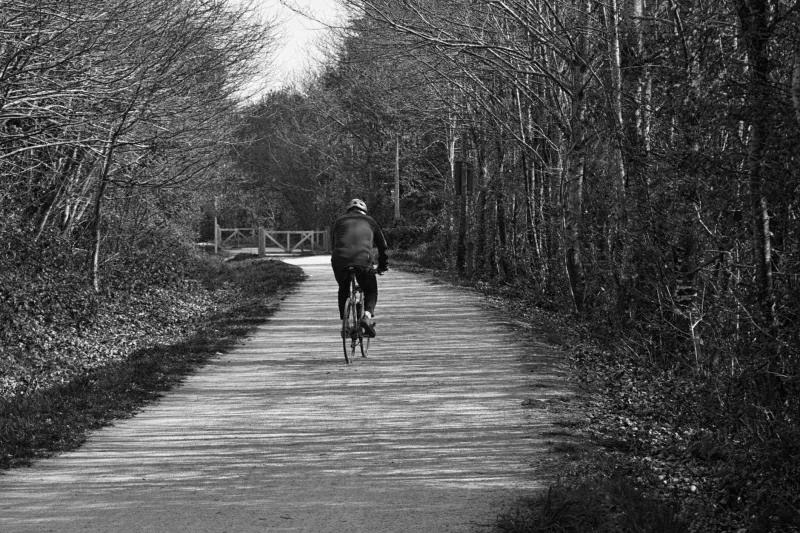
There is a stretch of road between Ripley and Pateley Bridge that does not look dramatic on a map. It rarely appears in breathless route guides. But ride it on an e-bike and it asks useful questions. The surface is variable, the drag is persistent, and the climbs come in the kind of lumpy sequence that Yorkshire does better than almost anywhere else. It is a very good place to work out whether a motor’s torque figure means anything to you.
Start with the road, not the spreadsheet
A shop car park tells you almost nothing. A short spin around the block tells you a little more. The run out through Killinghall, Ripley and on towards Dacre and Glasshouses tells you how a bike behaves when the assistance has to keep working. That matters because most e-bike buying decisions in Harrogate are not made on alpine gradients. They are made on long, honest Yorkshire drags, into a headwind, with a pannier or a rucksack, on a morning when you would rather still be in bed.
Use the same route more than once and you create a rough benchmark. You do not need a lab coat. Pick a start point, note the assist level, notice which gear you are in, and pay attention to three things: how hard you are pedalling, how fast you are going, and how much effort the motor seems to be adding. That is enough to separate a good hill bike from a flattering spec sheet.
Torque and power in plain English
Motor torque is usually quoted in newton metres, or Nm. Think of it as turning force. A motor with more torque can feel stronger from low revs, especially when you are crawling along in a low gear or starting on a slope. Power is quoted in watts, and UK-legal e-bikes are limited to 250W of continuous rated power. Power is about how quickly work is done; torque is about the shove available to do it.
The complication is where that torque is measured. A crank-drive motor’s figure is not the same as the force arriving at the rear wheel. Gearing multiplies torque, so a bike with a wide cassette and a sensible low gear can make a modest motor feel far more capable on a steep lane than a nominally stronger motor stuck in a tall gear. A hub-drive motor has its own character, often feeling brisk at lower speeds but less able to exploit the bike’s gears in the same way.
What the climb to Pateley asks of a motor
The road out towards Pateley Bridge is not one continuous ascent. It rolls, nags and occasionally bites. On the drag out of Ripley and the rises before Dacre, a crank-drive bike in a low gear often feels calm and steady. You keep a reasonable cadence, the motor works with your legs, and the bike maintains a sensible speed without drama.
A hub-drive bike can feel wonderfully lively on the flatter approach. Then the road tilts, you slow down, and the motor’s ability to help at low speed becomes the thing you notice. That does not make hub drives bad. It makes them different. If your commute is mostly flat and your leisure rides are gentle, a hub bike may be perfectly pleasant. If your regular route includes the long pull towards Pateley with a loaded rack, the feel of the motor through the gears matters more than a headline number.
Rider weight, cadence and gearing change everything
Two riders can test the same bike on the same hill and come away with opposite opinions. A lighter rider who spins a decent cadence may find 50Nm ample. A heavier rider, or someone carrying shopping, tools and a laptop, may want more headroom or, just as importantly, a lower bottom gear. The motor is only part of the system.
Cadence is the quiet variable. Crank-drive motors generally prefer you to keep turning the pedals at a reasonable rate. If you grind slowly in too tall a gear, the bike feels less helpful and you feel more tired. Drop a gear or two, keep the pedals moving, and a mid-powered motor can suddenly feel much stronger. That is not marketing magic. It is gearing and cadence doing their jobs.
A repeatable test you can actually use
Pick a quiet weekday and ride the same out-and-back route from Harrogate towards Pateley. Use the same bike, the same rider, similar tyre pressures and, if you can, similar weather. Ride one section in Eco or the lowest assist mode, then repeat it in the middle mode. Note where you had to change down, where the motor felt strained, and where it felt effortless.
Do not chase top speed. Chase control. A good hill e-bike should let you hold a conversation on a steady climb, change gear without lurching, and start again comfortably if you have to stop at a gate or a junction. If the bike only feels impressive in the highest assist mode, that is useful information. It means the motor is doing a lot of the work and the battery will pay for it.
The buying takeaway
A bigger torque number is not automatically the better buy for Yorkshire hills. It might be, if you are heavy, carry loads, tackle steep lanes regularly, or simply like the extra margin. But it can also mean a heavier bike, a thirstier motor and a price tag that buys you capability you will never use on the run to the shops.
For most Harrogate riders, the sweet spot is a bike with enough torque to feel relaxed on local drags, sensible gearing for the steep bits, and a battery that will comfortably cover the rides you actually do. Test it on a proper road, not a polite loop around the block. The road to Pateley will tell you more than any showroom sticker.