When a Bargain E-Bike Stops Being a Bargain: A Harrogate Commuter’s 2026 Buying Notes

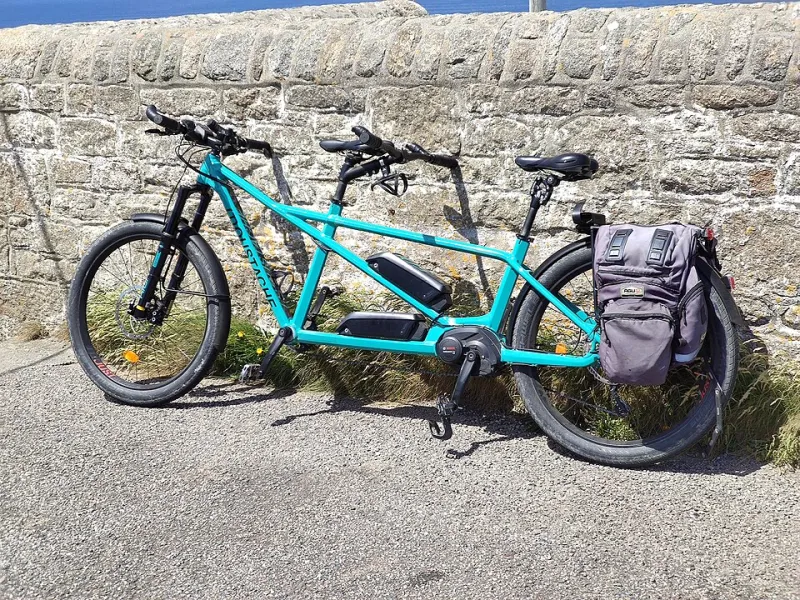
Photo: commuter e-bike parked outside Yorkshire bike shop wet street, via cdn.shopify.com
There is no shame in wanting a cheaper e-bike. The upfront prices online are tempting, and not everyone needs a premium machine for a short pootle to the shops. But a commuter e-bike is not a gadget; it is a tool that has to start in the rain, climb Harrogate’s hills and keep working through a Yorkshire winter. That is where the bargain can stop being a bargain.
This is not an argument that every budget e-bike is rubbish, or that spending more automatically buys you a better bike. It is a reality check. As we head into winter 2026, the gap between a cheap direct-to-consumer e-bike and a mid-range bike from a shop is often less about the shiny bits and more about what happens in year two, year three and year four.
The sticker price is only the first number
A typical cheap online e-bike might sit around £700 to £1,200. You often get a generic rear hub motor, a battery in the 360 to 500Wh range, basic brakes and a one-year warranty that may be awkward to claim on. A mid-range commuter e-bike from an established brand might be £1,800 to £3,000, with a branded motor system, a larger battery, hydraulic disc brakes and a warranty handled through a dealer network. Prices move around, and there are exceptions in both camps, but that is the shape of the market.
The cheap bike can be perfectly fine for occasional dry-weather leisure riding. The problem is commuting. A daily rider in Harrogate might do 2,000 to 3,000 miles a year, often in the wet, on gritted roads, with panniers or a backpack. That is a hard life for any bike, and it finds weak points quickly: bearings, connectors, battery mounts, rims, spokes and brakes.
Where Yorkshire weather finds the weak points
Yorkshire does not just rain; it rains sideways, then freezes, then salts the roads. Cheap electrical connectors can corrode. Battery mounts can rattle and fill with water. Budget brakes can fade on steep descents. Cheap spokes and rims can struggle with the extra weight of a motor and a loaded commuter. None of this is inevitable, but it is more likely on a bike built to a very tight price.
Hills add another layer. A small hub motor that feels lively on the flat can heat up and lose efficiency on a long climb. A cadence sensor, common on cheaper e-bikes, can feel like an on-off switch rather than a smooth push. On a short test ride in a flat car park, that may not matter. On Otley Road in the rain with a laptop on your back, it does.
Battery warranties: read the small print
A battery is the most expensive single part of an e-bike, and the warranty is where cheap deals often get thin. Many warranties cover a defect, not normal capacity fade. Water ingress may be excluded. You may need to register the bike, keep the original receipt and be the first owner. A two-year battery warranty is not the same as a two-year battery life.
Ask two questions before you buy: how much is a replacement battery, and can I actually buy one in the UK in two or three years? If the answer is vague, treat the bike as disposable. A £900 e-bike with a dead battery and no replacement supply is not a cheap commuter; it is a heavy unpowered bike with a useless motor.
What your local bike shop can and cannot do
A good local bike shop can fix far more than people expect: brakes, gears, cables, tyres, tubes, bearings, spokes, wheel truing and general wear items. Some shops can diagnose electrical faults and replace standard connectors. What they cannot always do is source a proprietary battery, controller or display for a brand they do not deal with, or process a warranty claim for a direct-sale brand.
Some shops will not touch certain online e-bike systems at all, often because parts are unavailable or liability is unclear. That is not snobbery; it is practicality. Before you buy, ring your local shop and ask whether they will service that brand and system. If the answer is no, factor that into the price. A bargain that cannot be repaired locally in February is not much of a bargain.
Motors, torque and the Harrogate hill test
For a Yorkshire commuter, motor feel matters as much as headline power. Mid-drive systems generally climb well because they use the bike’s gears. A decent rear hub motor can also work, but cheap versions can feel surgesome and less happy on long drags. Look for a torque figure that suits your route and load, and do not rely on marketing watts alone. A test ride up a real hill, with your normal bag or panniers, tells you more than a spin round a retail park.
Check whether the bike uses a cadence sensor or a torque sensor. Cadence sensors can be fine for gentle riding, but torque sensors usually feel more natural and controllable in traffic. For a loaded commute in Harrogate, a mid-drive with roughly 50 to 60Nm is a comfortable benchmark, though lighter riders and flatter routes can manage with less.
Replacement parts and resale value
Standard parts are your friend: tyres, tubes, brake pads, chains, cassettes and cables should be easy to source. Proprietary parts are the risk: batteries, displays, controllers and motor casings. Ask about prices and availability before you buy. A cheap bike with an odd-sized battery can become scrap metal when that battery dies.
Resale is the other side of the ledger. Branded mid-range e-bikes tend to hold value better, especially with a service history and a receipt. Generic online bikes often drop sharply because buyers cannot verify support or parts. A £2,000 bike that is still worth £800 after three years may cost you less than a £900 bike that is worth £150 and needs a £400 battery.
A practical checklist for a commuter e-bike that survives
- Buy from a brand with a UK presence and a clear route to spare batteries.
- Check the warranty length for battery, motor and frame, and read the water-ingress and capacity-fade exclusions.
- Test ride your steepest regular hill with your normal load.
- Confirm the motor system, torque feel and sensor type.
- Prefer hydraulic disc brakes, mudguard mounts and rack mounts for Yorkshire commuting.
- Ask a local bike shop whether they will service the brand and system.
- Price a replacement battery before you buy.
- Budget for a decent lock, lights, mudguards and annual servicing.
- Avoid no-name batteries and chargers; electrical safety matters.
- Buy locally if the support is good, even if it costs a little more upfront.
The bottom line
A cheap e-bike can be good value for light, occasional use. For a daily Yorkshire commute, though, the false economy often appears later: the unavailable battery, the corroded connector, the shop that cannot help, the resale value that vanishes. Mid-range is not automatically brilliant either, so use the checklist and buy for support and serviceability. A commuter e-bike should be the one that can still be fixed in Harrogate when the weather turns nasty.