Grit Season Prep: The Sunday Half-Hour That Keeps a Harrogate E-Bike Alive Through Winter

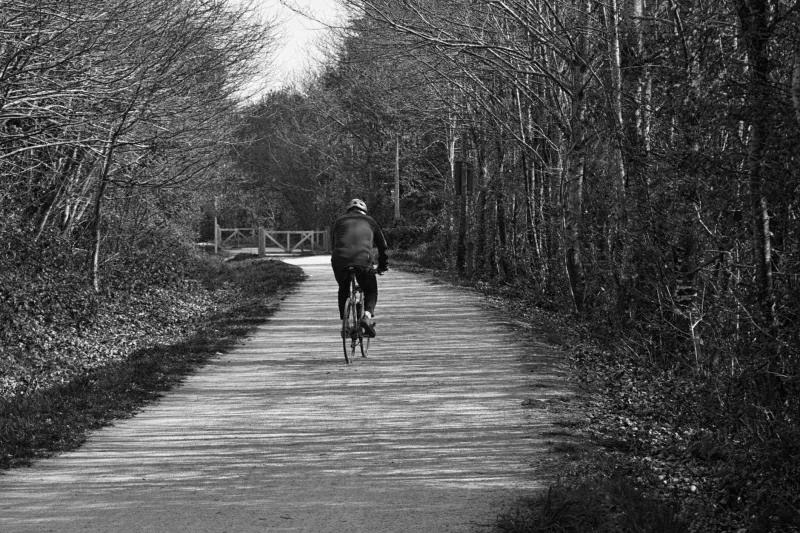
Photo: User:Vmenkov, CC BY-SA 3.0, via Wikimedia Commons
By November in Harrogate, the lanes have a familiar shine. It is not just rainwater. It is the grey, salty film that arrives after the gritters and settles into every crevice of a bicycle. For e-bike riders, winter is not only about cold hands. It is about batteries that dislike being charged when they are freezing, brake pads that wear faster than you expect, and electrical connectors that quietly sulk under a layer of road grime.
You do not need a heated workshop or a mechanic’s worth of tools. You need half an hour on a Sunday, a bucket of warm water, a dry cloth and a bit of consistency. This is the routine I would use for a commuter bike in Bilton, a leisure bike in Starbeck, or anything that spends the week outside a café in Knaresborough.
Battery: temperature first, percentage second
Modern e-bike batteries are reasonably tough, but they are not immune to Yorkshire winters. The biggest mistake is charging a cold battery straight after a ride. Let the battery come up to room temperature first, ideally for an hour or two. Do not charge it in a freezing garage or shed. If the battery is removable, bring it indoors, wipe off any damp, and let it settle before plugging in.
If you are commuting daily, charge to a sensible level rather than leaving it at 100% for days. If the bike is going into storage for a week or two, aim for roughly 50–80% and keep the battery somewhere dry and frost-free. Avoid charging overnight on a cold concrete floor. Use the charger in a ventilated space, and unplug it when the light says the job is done. None of this is exotic. It is just less expensive than a replacement battery.
Brakes: the part winter eats fastest
Grit acts like a gentle abrasive paste. Add wet roads and you can wear through a set of brake pads much faster than in summer. Once a week, look at the pads properly, not just through the gap at the top of the caliper. If the friction material is getting thin, replace the pads before they start scoring the disc. Check the rotor for deep grooves and clean it with a proper brake cleaner rather than an oily rag.
On cable brakes, check that the lever still has a firm feel and that the cable is not fraying. On hydraulic brakes, look for leaks around the caliper and lever, and check that the hose is not rubbing. If the lever pulls back to the bar, that is not a winter quirk. It is a brake that needs attention. Sort it before the next wet commute.
Connectors and contacts: the quiet weak point
E-bikes have more plugs and contacts than a normal bicycle, and they are often low down where road spray lands. Battery terminals, motor connectors, display cables and sensor plugs all deserve a look. They should be clean and dry. If you see green furring or white corrosion, clean it carefully and dry it thoroughly before reconnecting. A little dielectric grease on the right contacts can help keep moisture out, but do not smother everything in it without checking the manufacturer’s advice.
Never aim a pressure washer at an e-bike. It is the fastest way to push water into bearings, connectors and motor seals. A bucket, a soft brush and a gentle hose are enough. Dry the bike afterwards, especially around the battery mount and the display.
Tyres and drivetrain: small checks, fewer surprises
Cold air lowers tyre pressure. A tyre that felt fine in October can feel vague and draggy by the end of November. Check pressures weekly with a proper gauge and adjust for the load you are carrying. If you are running tubeless, top up the sealant when it starts to feel dry. If you are on tubes, look for embedded grit and flint before it becomes a puncture on a dark lane.
The chain and cassette also take a beating from salty spray. Clean and lubricate the chain after the worst rides, and use a winter-friendly lube rather than a fair-weather wax. Check that the derailleur moves cleanly and that the chain is not dry. A quiet drivetrain is usually a sign that you are staying on top of it.
The Sunday half-hour
Start with the battery. Bring it indoors, wipe it down, and let it reach room temperature. While it settles, wash the bike with warm water and a soft brush, working from the top down. Rinse gently, then dry the frame, rims and battery mount. Check the brake pads and rotors. Look at the tyre pressures. Clean and lube the chain. Give the connectors a quick inspection and dry any damp spots.
Then do the small things that save time later. Check that lights and reflectors work. Look for loose bolts on the rack, mudguards and stem. Make sure the charging port cover is seated properly. Put the battery back on the bike only when it is dry, and store the bike somewhere sensible if you can.
It is not a glamorous routine. It will not make your e-bike Instagram-famous. But a regular Sunday half-hour through a Harrogate winter is the difference between a bike that quietly keeps working and one that develops an electrical fault in February. Grit season is coming. A little attention now is cheaper than a repair bill later.